Alliteration for Kids Words and Activities
Alliteration repeats the same opening sound in nearby words, as in “busy bees buzz” or “silver stars shine.” Alliteration for Kids: Words and Activities helps children notice, say, and arrange English sounds through play. Younger learners can match pictures and repeat short pairs. Older children can build sentences, poems, headlines, and tongue twisters. The aim is careful listening followed by meaningful speech, not speed or flawless pronunciation. For multilingual children, sound play can reveal how English uses the lips, teeth, and tongue differently from their other languages.
How the Sound Pattern Works
The opening sound matters more than the letter. In Alliteration for Kids: Words and Activities, “funny phone” matches because both words begin with /f/. “Giant goat” does not because the two forms of g represent different sounds.
Begin with two words: soft socks. When your child hears the repeated sound, add one relevant word: six soft socks. Meaning comes before length. A short, vivid phrase teaches more than a crowded sentence written only to repeat one sound.
Say each example naturally, then repeat it slowly. Ask which part sounds alike. The question activates listening and keeps attention on sound instead of spelling.
A Starter Word and Phrase Bank
Teach one sound family at a time. Each group mixes nouns, describing words, and actions, helping children form phrases instead of memorising loose lists.
ball, bear, blue, bounce — blue balls bounce
fish, fox, fast, funny — five funny fish
moon, mouse, misty, march — mice march at midnight
sun, sock, soft, skip — soft socks slide
tiger, toy, tall, turn — two tall tigers
panda, pear, purple, pack — purple pandas pack pears
vocabulary in Alliteration for Kids: Words and Activities is a starting point, not a script. Let your child substitute familiar words from home, school, food, nature, or family life. Depending on daily experience, busy buses may be easier to picture than busy beetles.
Check unfamiliar words before building a sentence. Show a picture, act out the verb, or give a direct definition. Sound practice should strengthen vocabulary, not conceal gaps in meaning.
Examples Children Can Use in Context
Put the pattern into a complete thought: “The sleepy snake slid under the sofa.” Ask: Who moved? Where did it go? Which words share the opening sound? The sentence combines meaning, grammar, and sound awareness.
Alliteration can sharpen descriptions: “cold, crunchy carrots,” “a tiny toy train,” or “wild winter wind.” Compare “We saw a bird” with “We saw a bright blue bird.” Ask what picture the second version adds.
For multilingual learners, compare the phrase with another language they know. A sound may be frequent in one language and unfamiliar in another. Keep the discussion curious and brief. The goal is to hear the English pattern, not judge one accent against another.
Activities for Three Age Bands
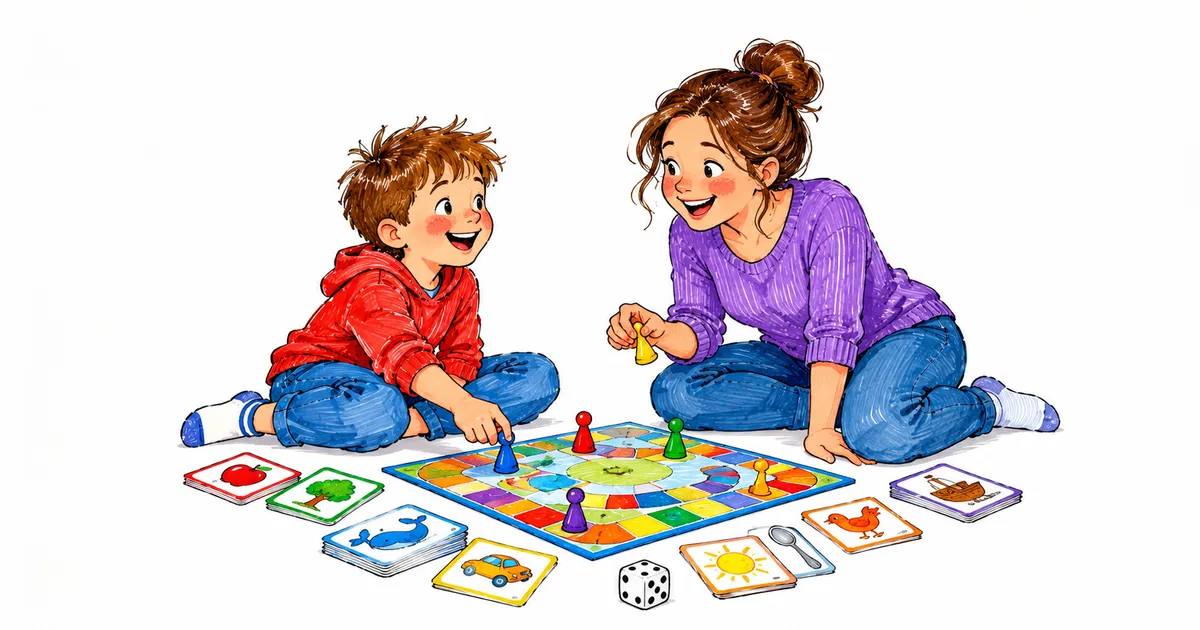
School-age kids: Place four to six picture cards on a table. Say a sound, such as /b/, and ask your child to find the ball, bear, and banana. Join two pictures into a phrase: bouncy ball. One successful pair completes the first round.
School-age kids: Choose one noun, one describing word, and one action from the same sound family. Build and draw a sensible sentence. Alliteration for Kids: Words and Activities can become a family challenge: each person adds one word without breaking the meaning.
School-age kids: Write a short product name, book title, sports headline, or two-line poem. Edit forced repetitions and keep the strongest phrase. Older learners should treat alliteration as a writing choice, not a rule for every sentence.
Try It: Sound-sort Challenge
Read aloud: cat, city, kite, coat, sock, cube. Group the words by opening sound, not letter. Check: cat, kite, coat, cube begin with /k/; city and sock begin with /s/. Turn one group into a short alliterative phrase.
Practice Routines and Common Mistakes
Keep a reusable sound notebook. Assign each page one sound and add relevant words across several days. At week’s end, your child can choose three words for a sentence. The routine provides repetition without demanding the same answer each time.
When using Alliteration for Kids: Words and Activities, never treat matching letters as proof. Read every phrase aloud. Avoid sentences such as “Peter’s purple puppy politely paints pizzas” unless the nonsense supports a joke. Excessive repetition can obscure meaning.
Do not correct every accent difference. Model the target word, let your child watch your mouth, and invite another attempt. If the sound remains difficult, return to an easier pair. In LearnLink lessons, tutors can build focused speaking practice from a child’s current vocabulary.
- Try three playful alliteration phrases with children aged five to seven today.
- Practice one sound for five minutes, then switch before attention fades.
- Use a familiar picture book and hunt for four repeated starting sounds.
- Create two silly sentences, but avoid confusing matching letters with matching sounds.
- Praise clear listening and creativity instead of demanding perfectly pronounced phrases.
When a word has several meanings or pronunciations, Cambridge Dictionary is a useful check before turning it into child-friendly examples.
Frequently Asked Questions
These answers cover what families need for home practice.
What Is Alliteration in Simple Terms?
Alliteration means nearby words begin with the same sound. “Busy bees” and “ten tiny turtles” are direct examples. Alliteration for Kids: Words and Activities works best when your child hears the phrase, repeats it, and identifies the shared sound. The words should form a picture or express an idea.
At What Age Can Children Learn Alliteration?
Children can explore alliteration once they can notice and repeat short word pairs. Younger children may use pictures, actions, and two-word phrases. School-age learners can sort sounds and build sentences. Teenagers can examine alliteration in poems, speeches, headlines, and names.
Does Alliteration Help with Spelling and Reading?
Alliteration draws attention to the opening sounds of words and can make phrases easier to remember. It does not replace phonics, reading practice, or direct vocabulary teaching. Use it as one listening and speaking tool within a broader English routine.
How Long Should Alliteration Practice Last?
Start with about five minutes and stop while the activity feels lively. One sound family, three or four words, and one finished phrase make a complete session. If your child wants more, add a drawing, sentence, or search for matching objects around the room.
Want to see how these ideas work in a real lesson — try a LearnLink trial lesson.
Stay updated on our latest tips and resources by following us on Instagram LearnLink.